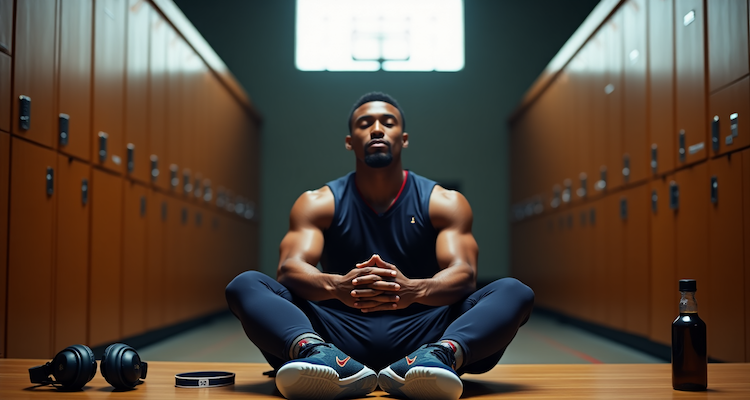
Before an athlete steps onto the field, court, or track, the real competition often begins in the mind. Physical training builds strength and skill, but mental readiness decides how well those abilities show up under pressure. This is where pre-game rituals play a powerful role. These small, repeated actions done before performance are not just habits. They are psychological tools that help athletes feel in control, focused, and confident when it matters most.
Confidence in sports does not appear randomly. It is built through preparation, experience, and mental conditioning. Pre-game rituals sit right at the intersection of these elements, creating a bridge between practice and performance.
The Sense of Control Before Chaos
Sports environments are unpredictable. Opponents behave differently, crowds react emotionally, and game situations change in seconds. This uncertainty can create anxiety. Pre-game rituals reduce that anxiety by giving athletes something they can control. Whether it is tying shoelaces in a specific order, listening to a particular song, or following a fixed warm-up sequence, these actions create a feeling of stability.
When the mind focuses on a familiar routine, it shifts attention away from fear of the unknown. Instead of worrying about outcomes, athletes concentrate on steps they have repeated many times. This sense of control naturally boosts confidence because the brain interprets routine as readiness.
Repetition Builds Mental Readiness
The brain loves patterns. When an athlete repeats the same ritual before multiple games, the mind begins to associate that ritual with performance time. It becomes a mental signal that says, “It is time to compete.” Over time, this conditioning helps athletes enter a focused state more quickly.
Think of it like a switch. Just as some people read motivational platforms such as Startup Beat to get into a productive mindset for work, athletes use rituals to trigger a performance mindset. The action itself might seem small, but its psychological impact is large. It tells the brain that preparation is complete, and it is time to trust training.
Reducing Performance Anxiety
One of the biggest enemies of confidence is overthinking. Before a match, athletes may worry about making mistakes, disappointing others, or not meeting expectations. Rituals give the mind a task, which prevents it from spiraling into negative thoughts.
Breathing exercises, visualization, or quiet moments alone are common pre-game practices. These actions slow the heart rate and calm the nervous system. When the body feels relaxed, the mind interprets this physical state as safety. Confidence grows naturally in a calm system, while anxiety thrives in tension.
Strengthening Self-Belief
Pre-game rituals often include self-talk. Athletes may repeat certain phrases, recall past successes, or visualize strong performance. This builds self-belief by reminding the brain of capability rather than risk.
Confidence is closely tied to memory. When the mind focuses on past achievements, it builds evidence that success is possible again. In daily life, people use emotional expression platforms like Mysadshayari.com to process feelings and reflect. Similarly, athletes use mental rituals to process emotions before competition, clearing doubt and strengthening belief in their abilities.
Creating Focus in a Distracting Environment
Sports events are full of distractions. Noise, opponents, audience reactions, and internal pressure can easily pull attention away from the present moment. Rituals act as anchors. They bring focus back to the body, breath, or a specific action.
For example, a basketball player bouncing the ball a set number of times before a free throw is not just following a habit. That action blocks out the crowd and directs attention to the task. Focus improves execution, and successful execution reinforces confidence. It becomes a positive cycle where routine leads to focus, focus leads to performance, and performance builds confidence.
Emotional Stability Under Pressure
Confidence is not only about believing you can win. It is also about staying emotionally stable when things go wrong. Pre-game rituals often include mental rehearsal of difficult scenarios. Athletes imagine missing a shot or facing a setback and then picture themselves responding calmly.
This preparation reduces shock during real challenges. Because the mind has “seen” the situation before, it reacts with composure instead of panic. Emotional stability is a strong foundation for confidence because it means the athlete trusts their ability to handle both success and failure.
Identity and Performance Connection
Rituals also strengthen an athlete’s sense of identity. When a player consistently follows a routine, it becomes part of how they see themselves. They are not just someone playing a game. They are a prepared competitor. This identity shapes behavior.
In modern digital spaces, people curate their image through tools like Insta Biogram to reflect who they are. Athletes do something similar mentally. Their rituals become part of their performance identity, reinforcing the idea that they belong in the competitive space. Feeling that sense of belonging directly supports confidence.
Trusting the Process
One major benefit of rituals is shifting attention from results to process. Athletes cannot fully control the outcome of a game, but they can control preparation and effort. Rituals remind them that success comes from following a process, not from worrying about the scoreboard.
When athletes trust their routine, they carry a quiet assurance into the game. That assurance is confidence. It is not loud or forced. It comes from knowing they have done everything they can to prepare.
Conclusion
Pre-game rituals may look simple on the surface, but their psychological impact is powerful. They create control in uncertain environments, reduce anxiety, sharpen focus, and strengthen self-belief. By repeating meaningful actions before competition, athletes train their minds to enter a confident state more easily.
In sports, physical skill gets you into the game, but mental strength decides how you perform under pressure. Pre-game rituals are one of the most effective tools for building that mental strength, helping athletes step forward not with doubt, but with steady confidence.