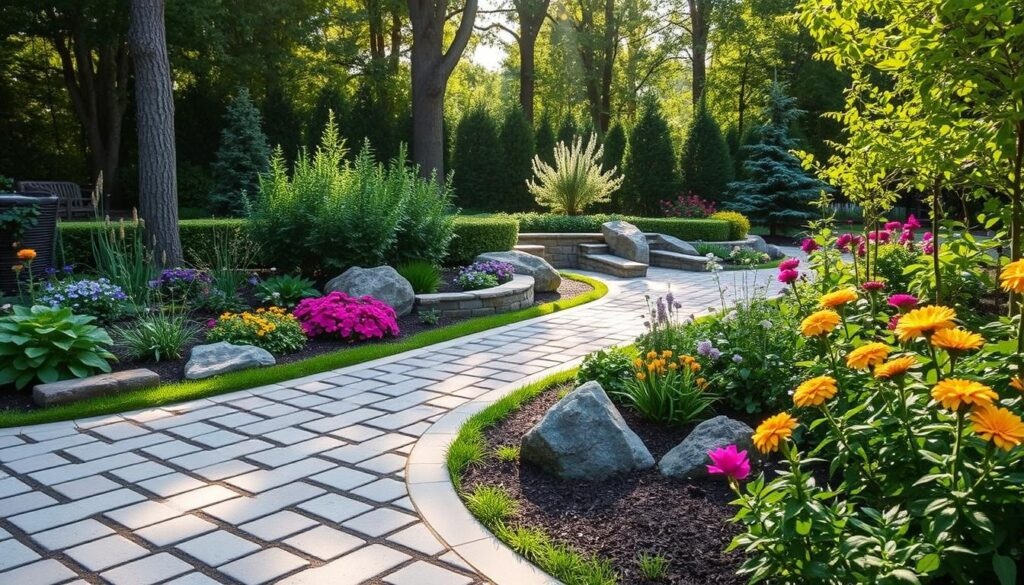
As Australian homeowners and developers increasingly prioritise sustainability and smart design, permeable paving is quickly gaining traction as a practical and environmentally responsible solution. Whether you’re upgrading a driveway, designing a patio, or planning a large-scale commercial landscape, permeable pavers offer a compelling combination of functionality, aesthetics, and eco-conscious performance.
In a country like Australia—where water management, soil health, and urban heat are ongoing concerns—permeable paving presents a forward-thinking alternative to traditional hard surfaces. This article explores what permeable pavers are, how they work, and why they’re becoming a preferred choice for modern landscaping projects.
What Are Permeable Pavers?
Permeable pavers are specially designed paving systems that allow water to pass through the surface and into the ground below. Unlike conventional concrete or asphalt, the best Pavers Perth which create impermeable barriers, permeable paving promotes natural water infiltration.
These systems typically consist of:
- Porous pavers or modular units with gaps or voids
- A bedding layer of crushed stone or aggregate
- A sub-base layer that stores and gradually filters water into the soil
The result is a surface that looks like traditional paving but functions as a drainage solution.
How Do They Work?
The effectiveness of permeable pavers lies in their layered design. When it rains, water flows through the joints or porous surface into the underlying aggregate layers. These layers temporarily store the water before allowing it to slowly infiltrate into the ground or be redirected through a drainage system if required.
This process helps to:
- Reduce surface runoff
- Prevent water pooling and flooding
- Filter out pollutants before they reach waterways
Essentially, permeable paving mimics the natural hydrological cycle that is disrupted by standard hardscaping materials.
Benefits of Permeable Pavers
1. Improved Drainage and Flood Prevention
One of the most significant advantages of permeable pavers is their ability to manage stormwater effectively. In urban areas where traditional surfaces dominate, heavy rainfall can overwhelm drainage systems and lead to localised flooding.
Permeable paving reduces runoff by allowing water to soak into the ground where it falls. This makes it particularly valuable in:
- Driveways
- Pathways
- Courtyards
- Car parks
For Australian properties prone to heavy downpours or flash flooding, this can be a game-changer.
2. Environmentally Friendly Landscaping
Sustainability is no longer a “nice to have”—it’s an expectation. Permeable pavers support eco-friendly landscaping in several ways:
- Groundwater recharge: Water is returned to the soil rather than lost to drains
- Pollution reduction: The sub-base filters out contaminants like oils and debris
- Reduced erosion: Slower water movement protects surrounding soil
For councils and developers aiming to meet environmental regulations or green building standards, permeable paving is an effective solution.
3. Reduced Urban Heat Island Effect
Traditional paving materials like asphalt and concrete absorb and retain heat, contributing to higher temperatures in built-up areas. This is known as the urban heat island effect.
Permeable pavers, especially lighter-coloured options, reflect more sunlight and allow moisture to evaporate through the surface. This helps to:
- Lower surface temperatures
- Improve comfort in outdoor spaces
- Reduce the need for artificial cooling
In Australia’s hot climate, this can make a noticeable difference in liveability.
4. Versatile Design Options
A common misconception is that permeable paving limits design flexibility. In reality, these systems are available in a wide range of styles, colours, and finishes to suit both modern and traditional landscapes.
Options include:
- Concrete grid pavers filled with grass or gravel
- Interlocking pavers with drainage joints
- Natural stone-look permeable units
This versatility allows homeowners and designers to achieve the desired aesthetic without compromising on performance.
5. Low Maintenance and Long-Term Value
When installed correctly, permeable pavers are durable and relatively low maintenance. Routine upkeep typically involves:
- Sweeping to prevent debris build-up
- Occasional vacuuming or pressure cleaning
- Replacing joint materials if necessary
Unlike solid surfaces that can crack and require costly repairs, modular paver systems allow for easy replacement of individual units.
Over time, the benefits of improved drainage and reduced infrastructure strain can also translate into cost savings.
Applications in Australian Landscapes
Permeable paving is suitable for a wide range of residential, commercial, and public projects across Australia. Some common applications include:
Residential Properties
Homeowners are increasingly using permeable pavers for:
- Driveways
- Garden paths
- Pool surrounds
- Outdoor entertaining areas
These installations not only enhance visual appeal but also help manage water runoff on-site—particularly important in suburban developments with limited drainage capacity.
Commercial and Public Spaces
Councils, architects, and developers are adopting permeable paving for:
- Car parks
- Pedestrian walkways
- Streetscapes
- Parks and recreational areas
These large-scale applications can significantly reduce the burden on stormwater systems while contributing to more sustainable urban design.
Rural and Regional Projects
In rural areas, permeable pavers are useful for:
- Farm access roads
- Erosion-prone zones
- Driveways on sloped land
Their ability to stabilise surfaces while allowing water infiltration makes them ideal for challenging environments.
Installation Considerations
While permeable pavers offer many benefits, proper installation is critical to their performance. Key factors to consider include:
- Site assessment: Soil type, slope, and drainage conditions must be evaluated
- Base preparation: A well-compacted sub-base is essential for stability and water storage
- Correct materials: Using the right aggregates ensures effective filtration and permeability
- Professional installation: Experienced installers can ensure compliance with Australian standards
Cutting corners during installation can compromise the system’s effectiveness, so it’s worth investing in quality workmanship.
Are Permeable Pavers Right for Your Project?
Permeable paving is an excellent choice for many applications, but it may not be suitable for every situation. For example:
- Sites with very poor soil infiltration may require additional drainage solutions
- Heavy industrial areas with high loads may need specialised systems
However, for most residential and light commercial uses, permeable pavers provide a balanced solution that addresses both functional and environmental needs.
The Future of Sustainable Landscaping
As Australian cities continue to grow, the demand for smarter, more sustainable infrastructure will only increase. Permeable pavers represent a shift towards designs that work with nature rather than against it.
By improving drainage, reducing environmental impact, and enhancing outdoor spaces, they offer a practical solution to some of the most pressing challenges in modern landscaping.
Final Thoughts
Permeable pavers are more than just a trend—they’re a strategic investment in the longevity and sustainability of your outdoor spaces. Whether you’re a homeowner looking to upgrade your driveway or a developer planning a large-scale project, incorporating permeable paving can deliver long-term benefits for both your property and the environment.
With the right design and installation, permeable pavers can transform the way you manage water, reduce your ecological footprint, and create outdoor areas that are as functional as they are visually appealing.