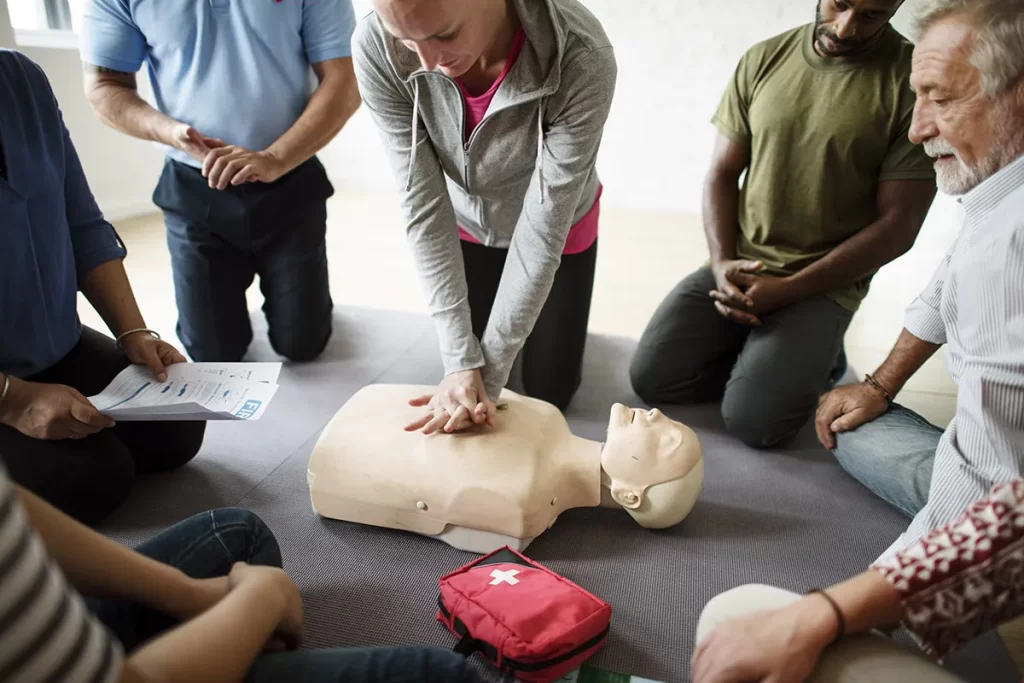
At any time and in any place, accidents and medical crises can happen. Knowing how to react and being sure of yourself can make a big difference in how things turn out. The goal of first aid is to stabilise a situation, keep things from getting worse, and give immediate care until help comes. Not only does learning these skills help people, but it also makes homes, workplaces, and communities safer.
One of the most important ways to gain these skills is by enrolling in first aid training Perth programs. These structured sessions guide learners through practical, hands-on steps to handle emergencies with clarity and calmness. With proper training, ordinary people can become capable first responders who offer valuable support when it matters most.
The Basics of First Aid
First aid starts with assessing the situation. Before offering help, it is crucial to ensure your own safety and the safety of others. This includes checking the surroundings for hazards, calling emergency services if necessary, and reassuring the injured person. Once everyone is safe, simple things like cleaning up cuts, putting pressure on them to stop bleeding, or helping someone who is choking can make a big difference right away.
Bandaging and wound care are among the first skills learners encounter. Proper bandaging prevents infections, reduces bleeding, and offers support to injured body parts. Knowing how to apply sterile dressings, adhesive strips, or triangular bandages can help stabilise injuries until medical professionals take over.
Cardiopulmonary Resuscitation (CPR)
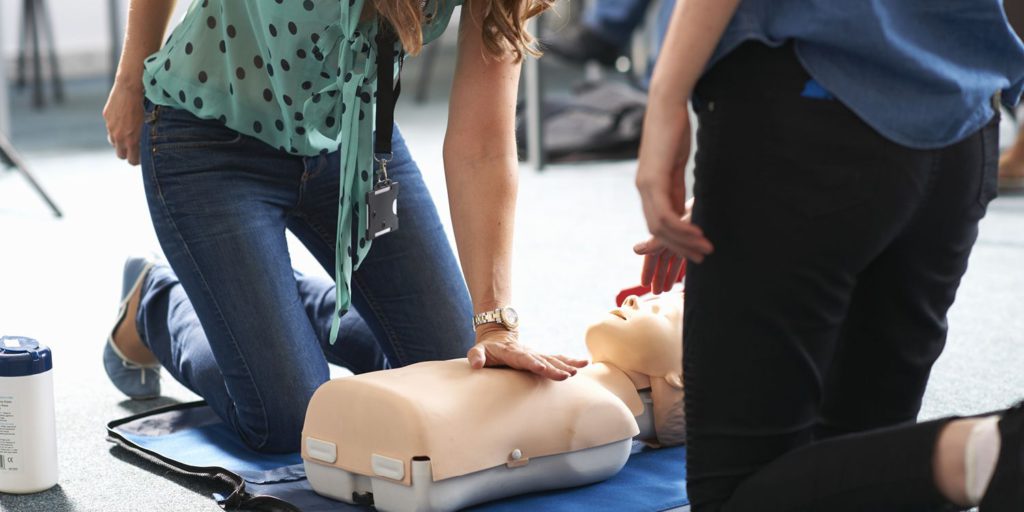
CPR is one of the most important life-saving skills taught in CPR training Brisbane programmes. Every second is important when the heart stops beating. CPR helps keep blood flowing to important organs, which raises the chances of survival until more advanced medical help arrives. Learning how to check for responsiveness, perform chest compressions at the right depth and pace, and provide rescue breaths can save lives in situations involving cardiac arrest, near drowning, or electrocution.
Many people hesitate during emergencies because they fear doing CPR incorrectly. Training helps remove this fear, allowing individuals to act quickly and confidently. Even hands-only CPR, which focuses on chest compressions, can be extremely effective and easier for beginners to learn.
Using an Automated External Defibrillator (AED)
An AED is a portable device that can bring the heart back to a normal rhythm after a quick cardiac arrest. Modern AEDs are designed to be user-friendly, offering step-by-step voice instructions so even those with minimal training can operate them. Knowing how to locate and use an AED can significantly improve survival rates, especially in public spaces such as offices, gyms, shopping centres, and schools.
First Aid for Choking, Burns, and Fractures
Choking emergencies require quick action to restore airflow. Back blows and abdominal thrusts are two techniques that can be used to move the item that is stuck. As soon as you notice a burn, cool it off with cold water and stay away from ointments and creams. Fractures should be supported and immobilised to prevent further injury while waiting for medical help.
These skills are often taught together in comprehensive first aid and CPR courses that offer a complete overview of emergency response techniques. Participants learn through demonstrations, practice scenarios, and step-by-step guidance from trained instructors.

Why Everyone Should Learn First Aid
First aid knowledge empowers people to react with calmness and purpose. Whether you are a parent, teacher, colleague, or simply a member of the community, these skills enable you to support others during critical moments. Emergencies are unpredictable, but preparation can make all the difference.
Investing time in learning first aid is an investment in the safety and well-being of yourself and those around you. The confidence to act during emergencies is a skill that lasts a lifetime and may one day save one’s life.