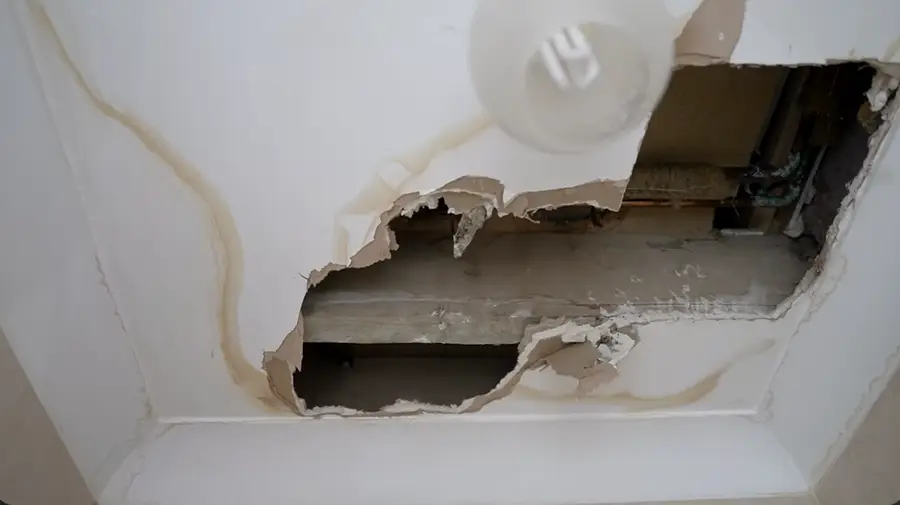
Most homeowners focus on what they can see every day. Clean floors, painted walls, and organized spaces give the impression that everything is in good shape. The reality is different. Many serious household problems begin in areas that rarely get attention. These overlooked spots may look harmless at first, but over time they can lead to structural damage, health issues, and expensive repairs.
Understanding where these hidden trouble zones exist can help you prevent long term damage and protect the value of your property.
The Space Under Sinks
The cabinet under your kitchen or bathroom sink is one of the most ignored parts of the home. Because it is closed most of the time, small leaks often go unnoticed. A slow drip from a pipe connection can soak wood panels, weaken cabinet bases, and create a perfect environment for mold growth.
Moisture trapped in this tight space also attracts pests. Termites and insects thrive in damp wood, and by the time you notice visible damage, the structure underneath may already be compromised. A quick monthly check with a flashlight can save you from major plumbing and carpentry repairs later.
Attic Corners and Roof Edges
Attics are out of sight, so they are often out of mind. However, the corners of the attic, especially near roof edges, are highly vulnerable. Poor ventilation can trap heat and moisture, leading to condensation that slowly damages insulation and wooden beams.
Tiny roof leaks often show up here first. Water stains may be small and easy to miss, but they gradually weaken the roof structure. Damp insulation also loses its effectiveness, increasing energy bills. Home maintenance discussions on platforms like Net Worth Brief often emphasize how minor attic neglect can turn into major financial strain for homeowners.
Behind Appliances
Large appliances such as refrigerators, washing machines, and dishwashers hide more than just dust behind them. Hoses and connections at the back can loosen or crack over time. Even a small leak behind a washing machine can soak flooring and subfloor layers for weeks before you notice a problem.
Heat from appliances also affects nearby walls. Over time, this constant warmth can dry out materials, leading to cracks or weakening of surfaces. Moving appliances slightly forward every few months allows you to check for moisture, mold, or pest activity.
Bathroom Ceiling Corners
Bathrooms naturally produce high levels of moisture. Steam from hot showers rises and settles in upper corners of the ceiling, especially if ventilation is poor. These corners often become breeding grounds for mold.
Mold does more than stain surfaces. It can damage paint, drywall, and even wooden framing beneath the surface. More importantly, it can affect indoor air quality and lead to respiratory problems. Experts often discuss moisture control strategies on educational resources such as https://www.housivo.com.au/blog/, highlighting the importance of ventilation and routine inspection.
Basement Edges and Foundation Lines
Basements and foundation edges are silent risk zones. Small cracks in foundation walls allow water to seep in slowly. You may not notice the issue until you see peeling paint, musty smells, or warped flooring.
Water intrusion weakens concrete over time and can lead to serious structural concerns. Damp conditions in these lower areas also encourage mold and mildew growth. Checking foundation lines for cracks and sealing them early prevents larger complications.
Window Frames and Hidden Gaps
Windows are exposed to outdoor elements daily. Over time, sealants around frames break down. Tiny gaps form, allowing water to seep inside walls during heavy rain. This moisture may not be visible from indoors but can rot wooden frames and damage insulation within walls.
You might only notice signs much later, such as peeling paint or soft spots around the window. Guidance shared on homeowner information hubs like https://www.findhomeexperts.com.au/blog/ often stresses the value of inspecting window seals before seasonal weather changes.
Inside Wall Cavities
Walls may look solid, but inside them are pipes, wiring, and insulation. A small plumbing leak inside a wall can continue for months without detection. By the time stains appear on the surface, internal materials may already be deteriorating.
Electrical wiring can also be affected by moisture, increasing fire risks. Unusual smells, bubbling paint, or unexplained increases in water bills are early warning signs that should never be ignored.
Gutters and Roof Valleys
Gutters and roof valleys channel rainwater away from your home. When they get clogged with leaves and debris, water overflows and seeps into roof edges and exterior walls. This slow exposure to moisture leads to wood rot and siding damage.
Regular cleaning keeps water flowing properly and prevents long term structural wear. Many homeowners underestimate how quickly blocked drainage can affect the entire building envelope.
Why Early Attention Matters
Hidden damage builds gradually. Because the changes are slow, they are easy to dismiss until the problem becomes visible and costly. Regular inspection of concealed spaces protects not only your home’s structure but also your financial stability.
A house is more than a living space. It is an investment that requires attention in places you do not always see. By making small checks part of your routine, you stop minor issues from turning into major repairs. Over time, this proactive mindset keeps your home safer, healthier, and far more durable.